I can almost hear it through the screen. The last twist ends, I say “and now make your way to shavasana,” and somewhere out there a mat starts rolling up. There’s a dog to walk and an inbox to answer. Shavasana is just lying there, right?
I get it. I’ve also called it the most important pose in yoga in more classes than I can count, and I mean it every single time. So let’s talk about why, and how to make those few minutes actually work for you.

What shavasana is
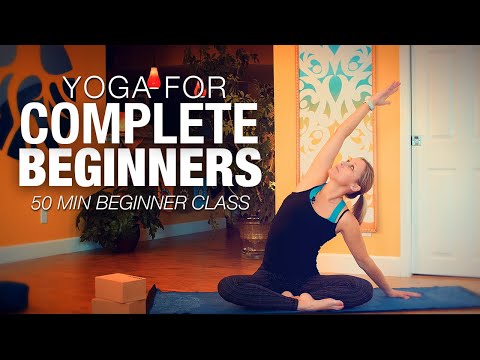
Shavasana translates from Sanskrit as corpse pose. It’s the final resting pose of class, and it should show up at the end of every yoga class you ever take. As I explain in my Yoga Class for Complete Beginners, the idea is to become completely relaxed and completely still.
That sounds simple. It can be really challenging in the beginning. Lying still with nothing to do is a skill, and like any skill it gets easier with practice.
Why it matters
Here’s how I describe it in class: this is where the magic happens. All the work you did in your body, and all the work you did in your mind, settles in and plants itself. Shavasana is where we integrate the practice. We move energy and release tension for the whole class so that we can finally rest in stillness at the end.
If you skip it, you did the work and then left before it could land. It’s a little like cooking a beautiful meal and walking out before you eat.
Why we skip it (and why you shouldn’t)
“I don’t have time.” I hear this one most. In my Greet the Day class from Nicaragua I ask you to make the time even if you think you don’t have it, because it starts your day off on the right foot. Even after a short and sweet class, take your shavasana. A minute or two is worth it.
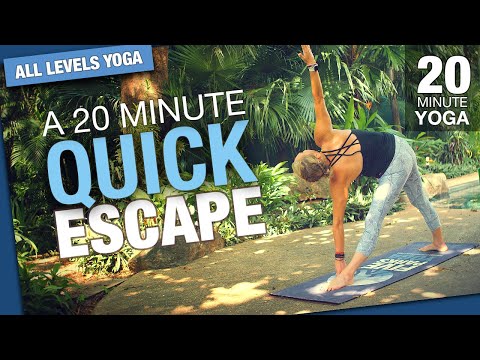
“I don’t feel like it.” Fair. In the Quick Escape class I acknowledge that you may feel like you don’t want to take this final posture. Stay anyway. There’s nothing you need to do in this moment except rest.
“It was a power class, I’m done.” That’s exactly when you need it. At the end of my Power Flow with Advanced Balances I tell you that you earned a shavasana, so don’t skip out on this one. (You may also hear our howler monkeys in the background of that one. They do not skip shavasana.)
How to set it up so you can actually relax
- Extend your legs long, about mat distance apart, and let your feet fall open.
- Rest your arms alongside your body with your palms facing up. If you have the space, take up space. Your arms don’t need to touch your body.
- Unlike every other posture in class, now you get to relax your hands. Fingers soft.
- Let the back of your head rest heavy on your mat and close your eyes.
Then make it comfortable. If your low back bothers you lying flat, put a bolster or some blankets under your thighs so your legs are slightly bent. You can rest your head on a pillow or put a blanket over yourself. In the Complete Taper for Swimmers I offer a combo: place a rolled-up blanket or a pillow at the base of your spine and lie back over it with your arms wide and loose. It’s a passive chest and shoulder opener, and it feels wonderful.
What to do once you’re there
Let go of the breath. During class we work with an audible ujjayi breath. In shavasana we release it, along with all control of the breath. Take one cleansing breath in through your nose, hold it at the top, and let it go through your mouth. Then come back to the natural rhythm of your breath.
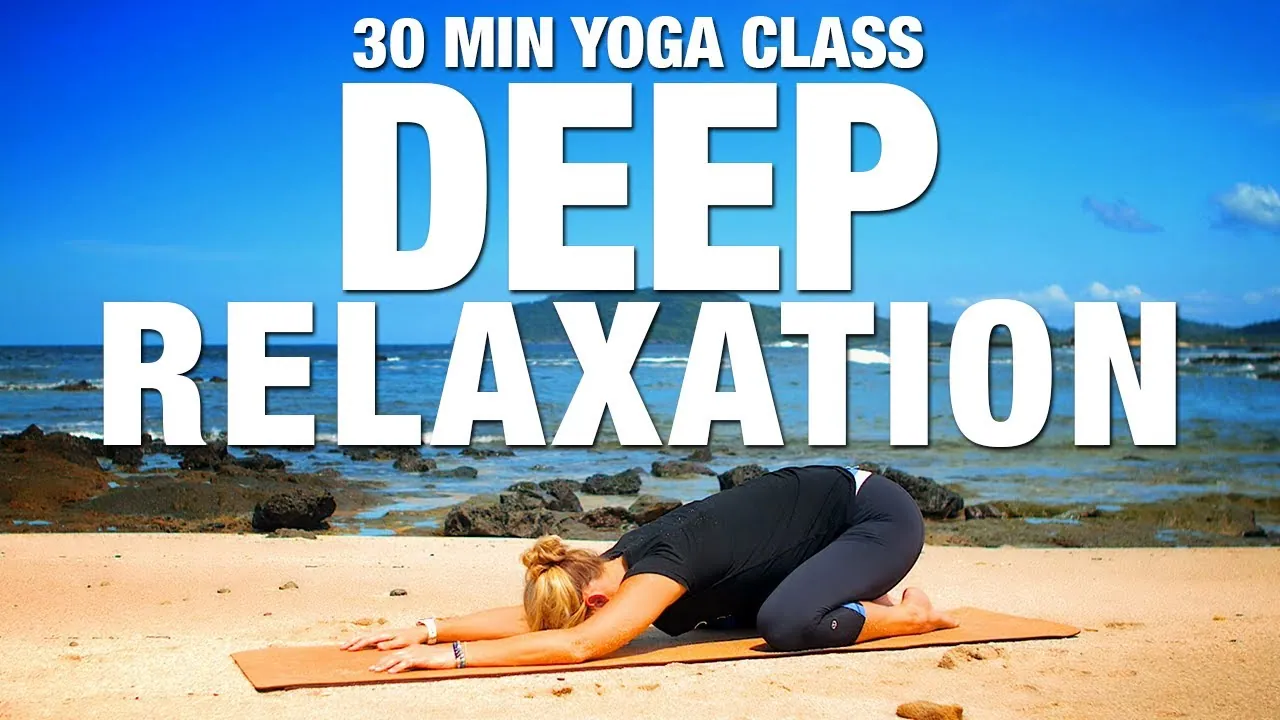
Soften your face. A lot of tension hides in the jaw and forehead. In my Deep Relaxation class we work our way up the body and pause longer at the face. Relax your jaw. Soften your forehead.
Let your thoughts float by. You don’t have to empty your mind. Let the body get soft and let the mind follow the body. When a thought shows up, let it drift past.
Expect the world to keep going. A plane might fly over. Construction might start next door (it has happened to me mid-shavasana). Try to tune it out and stay with your body and your breath.
How long to stay
As long as you have. Shavasana is a posture to be enjoyed for a long period of time, and if you’re practicing online and have the time to stay, I highly recommend that you do. Every class I film includes some, and I’ll often invite you to stay longer after I’ve said goodbye. Once in a while, challenge yourself to stay a little longer than you normally would.
How to come out
Come out slowly, because your body is in a state of relaxation and rest. Start by wiggling your fingers and your toes. Roll out your ankles and wrists. Reach your arms overhead for a big morning stretch, then roll onto your side and rest there for a breath. Use your hand for support as you press your way up to sitting.
Can you do it at work?
In my Office Tension Release class I dare you to do this pose at work. Move your chair aside and lie flat on your back. (I also say I hope you don’t get fired, so maybe save it for when you’re home.)
And if you love shavasana so much you’d like a whole class of it, try my Yoga Nidra class. It’s designed to put you into a deep state of relaxation, on your mat or right in your bed.
If you like a little background sound for resting, there are meditation and mindfulness playlists on my music page. And thank you to everyone who supports Five Parks Yoga. You keep these classes free, shavasana included.
Next time you hear “make your way to shavasana,” stay. Your practice isn’t finished until you do.
Practice it with me



Get new classes from Erin
Free classes, retreat dates and the occasional note. Unsubscribe any time.